
The comparison between zinc vs stainless steel is important in industries such as construction, automotive manufacturing, plumbing, and metal fabrication. Both metals are widely used because of their durability, corrosion resistance, and long-lasting performance. However, they are designed for different purposes and perform differently under various environmental conditions.
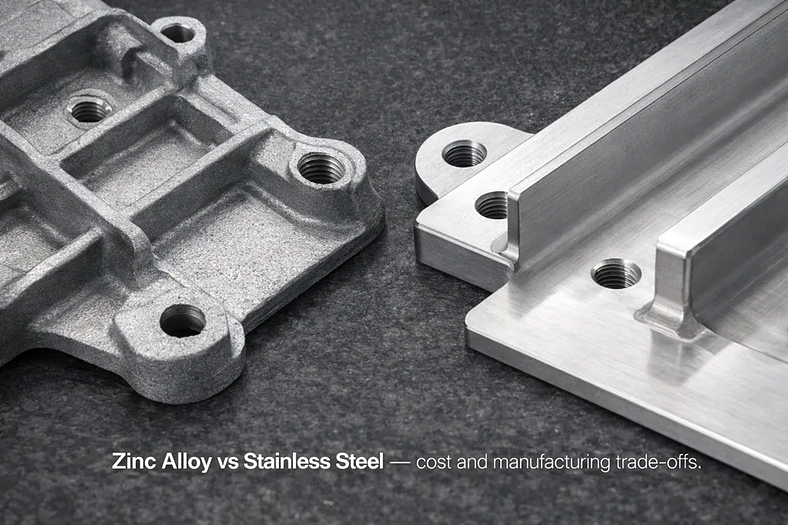
Zinc is commonly used as a protective coating for steel through a process called galvanization. It helps prevent rust and extends the lifespan of metal products. Stainless steel, on the other hand, is an alloy made with iron, chromium, and other elements that naturally resist corrosion without requiring additional coating. Because of these differences, choosing between zinc and stainless steel depends on factors such as strength, appearance, maintenance, and cost.
In industrial applications, seamless steel pipe systems, outdoor structures, fasteners, and machinery components often rely on these materials. Understanding the advantages and limitations of both metals can help manufacturers and buyers make the right decision for long-term performance and reliability.
Stainless Steel Strength and Corrosion Resistance
zinc vs stainless steel is known for its exceptional strength and resistance to rust. The presence of chromium creates a protective oxide layer on the surface, preventing corrosion even in humid or wet environments. This makes stainless steel highly suitable for marine equipment, food processing machinery, medical tools, and architectural structures.
One of the biggest advantages of stainless steel is its durability. It can withstand heavy pressure, extreme temperatures, and harsh environmental conditions without losing structural integrity. Stainless steel seamless steel pipe products are especially popular in industries that require high pressure resistance and long service life.
Another reason stainless steel is preferred in modern engineering is its attractive appearance. The smooth and polished finish gives a clean and professional look that remains visually appealing for years. This is why stainless steel is commonly used in kitchens, elevators, railings, and decorative applications.
Maintenance requirements for stainless steel are relatively low. Unlike coated metals, it does not require repainting or additional protective treatment under normal conditions. Although stainless steel is more expensive initially, its long lifespan and minimal maintenance costs often make it a cost-effective investment over time.
Zinc Metal Performance and Industrial Applications
Zinc is a versatile metal widely used for galvanizing steel products. Galvanized steel contains a zinc coating that protects the underlying metal from moisture and oxygen. This sacrificial protection allows zinc to corrode first, helping the steel remain protected for a longer period.
One major advantage of zinc is affordability. Compared to stainless steel, zinc-coated products are generally less expensive, making them suitable for budget-conscious construction and industrial projects. Galvanized pipes, roofing sheets, fencing materials, and structural steel components are common examples of zinc-coated applications.
Zinc also offers good corrosion resistance in mild environmental conditions. In urban and rural areas where exposure to chemicals and saltwater is limited, galvanized steel can provide excellent durability for many years. This makes zinc an ideal choice for outdoor infrastructure and agricultural equipment.
However, zinc coatings may eventually wear away in highly corrosive environments. In coastal regions or chemical processing plants, the protective layer can deteriorate faster, exposing the steel underneath to rust. In such situations, stainless steel often performs better because of its naturally corrosion-resistant composition.
Another important consideration is heat resistance. Zinc has a lower melting point than stainless steel, which limits its performance in high-temperature applications. Stainless steel is usually preferred in industrial systems involving extreme heat or pressure conditions.
Zinc vs Stainless Steel Cost and Long-Term Value
Cost is one of the most significant factors when comparing zinc vs stainless steel. Zinc-coated steel products are generally cheaper to manufacture and purchase, making them attractive for large-scale projects where budget control is essential. For temporary structures or applications with moderate environmental exposure, galvanized steel can provide excellent value.
Stainless steel typically has a higher upfront cost because of its alloy composition and advanced manufacturing process. However, the long-term value of stainless steel is often greater due to its durability and low maintenance requirements. In industries where equipment failure can result in high repair costs or operational downtime, stainless steel becomes a more reliable and economical solution over time.
The choice also depends on the expected service life of the material. Galvanized steel may need replacement or recoating after years of exposure, especially in aggressive environments. Stainless steel can maintain its performance for decades without significant deterioration, making it ideal for permanent installations and critical infrastructure.
Environmental sustainability is another important aspect. Stainless steel is highly recyclable and retains its properties even after repeated recycling processes. Zinc is also recyclable and environmentally beneficial when used as a protective coating, but stainless steel often has a stronger reputation for sustainable long-term use in industrial manufacturing.
In construction and piping systems, seamless steel pipe products made from stainless steel are frequently selected for applications requiring superior pressure resistance, hygiene, and corrosion protection. Meanwhile, galvanized steel pipes remain a practical option for water distribution, structural frameworks, and outdoor installations where budget considerations are more important.
Conclusion
The debate between zinc vs stainless steel ultimately depends on the specific requirements of the application. Zinc-coated steel offers affordability, reliable corrosion protection, and practical performance for general construction and outdoor use. It is widely used in galvanized pipes, fencing, roofing, and infrastructure projects where moderate durability is sufficient.
Stainless steel provides superior strength, exceptional corrosion resistance, and a modern appearance that makes it ideal for demanding industrial and architectural applications. Its long lifespan, low maintenance needs, and excellent performance under harsh conditions often justify the higher initial investment.
For industries using seamless steel pipe systems, machinery, and structural components, stainless steel is commonly the preferred choice when durability and reliability are critical. Zinc-coated steel remains an efficient and economical alternative for projects that require cost-effective corrosion protection without extreme environmental exposure.