
Kovar machining services play a critical role in modern precision engineering where dimensional stability, thermal compatibility, and airtight sealing are essential. Kovar, a nickel-cobalt-iron alloy, is widely recognized for its extremely low coefficient of thermal expansion, making it ideal for applications that require tight tolerance assemblies across varying temperature conditions. Industries such as aerospace, electronics, semiconductor packaging, and medical device manufacturing rely heavily on kovar alloy machining to produce components that must maintain structural integrity and dimensional accuracy under stress.
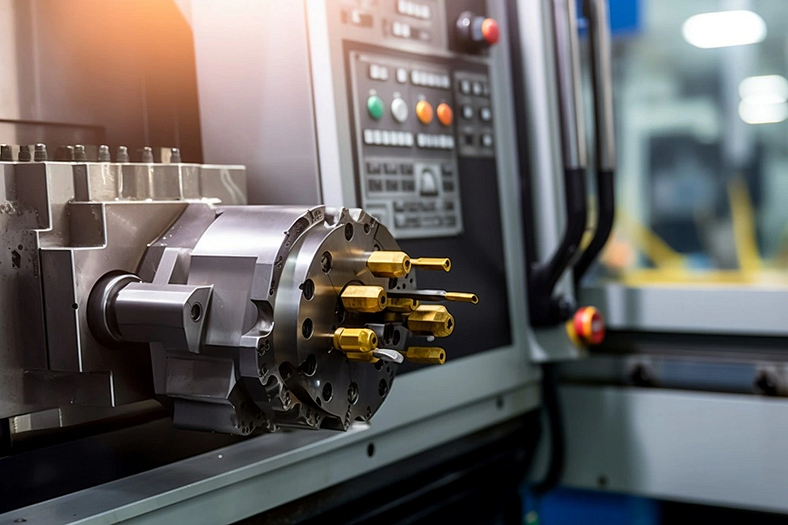

Unlike conventional metals, Kovar requires specialized machining techniques due to its unique metallurgical properties. Standard machining processes often struggle to achieve the level of precision demanded by high-performance applications, which is why professional kovar machining services are essential. These services ensure that components are manufactured with accuracy, surface quality, and reliability that meet strict industrial standards.
Why Is Kovar Alloy Difficult to Machine for Industrial Applications?
Kovar alloy machining presents several challenges that distinguish it from standard metalworking processes. The alloy’s composition of nickel, cobalt, and iron gives it unique thermal expansion characteristics that closely match borosilicate glass and ceramic materials. This makes it extremely valuable for hermetic sealing applications, but it also introduces machining complexity.
One of the main difficulties in precision machining kovar is its tendency to work-harden during cutting. As tools engage with the material, the surface layer becomes harder, increasing tool wear and reducing machining efficiency. This requires specialized cutting tools, optimized feed rates, and carefully controlled machining environments to maintain consistency.
Another important factor is thermal sensitivity. During kovar CNC machining, heat buildup can affect dimensional stability and lead to micro-deformations. This is particularly critical in aerospace electronics and semiconductor packaging, where even minor deviations can compromise performance. As a result, manufacturers use controlled cooling techniques and high-performance carbide tooling to manage heat and maintain accuracy.
Surface finish is also a crucial consideration. Many kovar alloy machining applications involve hermetic sealing components where surface smoothness directly impacts sealing reliability. Any surface imperfections can lead to leakage or failure in vacuum or high-pressure environments. Therefore, advanced finishing processes are often integrated into kovar machining services to ensure optimal performance.
The complexity of machining Kovar is further increased by its relatively low thermal conductivity compared to other metals. This means heat does not dissipate quickly, concentrating stress at the cutting zone. Skilled machinists and advanced CNC programming are required to overcome these limitations and produce high-quality components suitable for demanding applications.
Where Are Kovar Machining Services Used in Modern Industries?
Kovar machining services are widely used in industries where reliability, precision, and environmental stability are non-negotiable. One of the most significant applications is in the aerospace sector. Aircraft systems, satellites, and space exploration equipment require materials that can withstand extreme temperature fluctuations without losing dimensional accuracy. Kovar components are often used in sensors, connectors, and electronic housings where thermal stability is essential.
In the electronics industry, kovar CNC machining is commonly used for semiconductor packaging and electronic headers. The alloy’s compatibility with glass-to-metal sealing makes it ideal for protecting sensitive electronic components from environmental exposure. These hermetic seals ensure long-term durability and performance in devices such as integrated circuits, transistors, and microelectronic assemblies.
Medical technology is another field where precision machining kovar plays an important role. Medical implants, diagnostic equipment, and surgical instruments often require materials that can maintain stability under sterilization processes and body temperature variations. Kovar’s controlled expansion properties make it suitable for specialized medical applications where accuracy and reliability are critical.
The defense industry also relies on kovar alloy machining for producing high-precision components used in communication systems, guidance systems, and radar equipment. These systems often operate in harsh conditions, requiring materials that maintain consistent performance under mechanical and thermal stress.
Additionally, the energy sector uses kovar machining services in specialized instrumentation and monitoring devices. In environments such as nuclear power plants and high-temperature industrial systems, Kovar components help ensure accurate readings and stable performance over long operational periods.
The increasing demand for miniaturized electronics has further expanded the importance of kovar machining. As devices become smaller and more complex, the need for precise, thermally stable materials continues to grow, making Kovar an essential alloy in next-generation engineering solutions.
Conclusion: How Do Kovar Machining Services Improve Engineering Reliability?
kovar machining services significantly enhance engineering reliability by ensuring that components made from this unique alloy meet the highest standards of precision, durability, and thermal stability. The specialized nature of kovar alloy machining allows manufacturers to produce parts that perform consistently in environments where conventional materials would fail due to thermal expansion mismatch or structural instability.
Through advanced CNC machining techniques, controlled cutting processes, and expert material handling, precision machining kovar delivers components that are essential for aerospace, electronics, medical, and defense applications. These services not only improve product performance but also extend operational lifespan and reduce the risk of failure in critical systems.