
A gravity water filter system is one of the simplest yet most dependable technologies for obtaining safe, clean drinking water without the need for electricity or plumbing. It functions entirely through the force of gravity, drawing water from an upper chamber through a specialized filter into a lower container where purified water is collected. This natural filtration process is not only efficient but also environmentally friendly, making it a preferred choice for both households and outdoor enthusiasts.
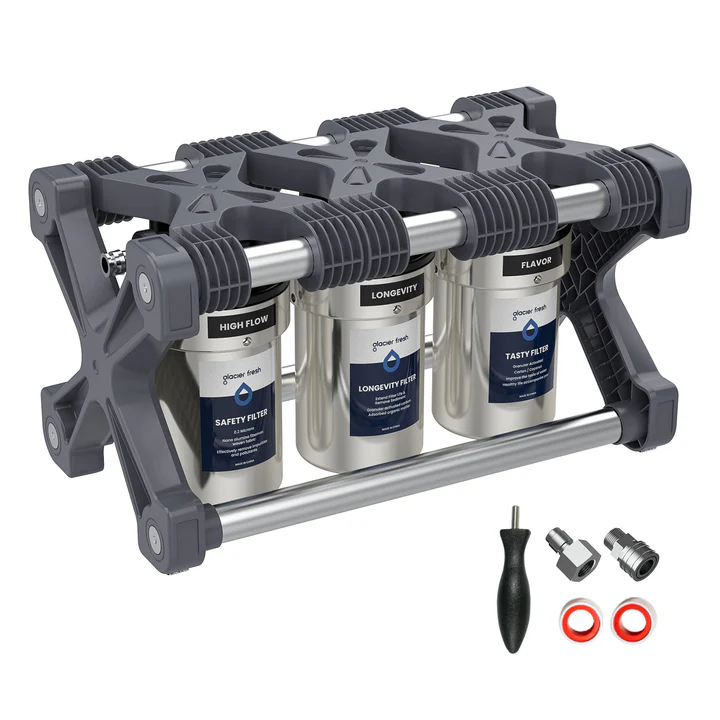
Unlike electric purifiers that depend on power and complex machinery, a gravity water filter system provides consistent performance even in off-grid areas or during emergencies. Whether you’re filtering municipal water to remove chlorine and sediment or treating natural water sources to eliminate bacteria and parasites, this system delivers reliable results without ongoing costs or energy consumption. Its design emphasizes simplicity and sustainability, providing a long-term purification method suitable for modern and eco-conscious lifestyles.
How the Gravity Water Filter System Works
At the core of every gravity water filter system lies a straightforward yet effective mechanism. The system typically features two compartments — an upper reservoir that holds untreated water and a lower chamber where clean, filtered water accumulates. Between these two sections sits the filtration medium, which may include ceramic filters, activated carbon blocks, or hollow fiber membranes.
As water naturally moves downward under gravity’s pull, contaminants are trapped within the filter material. Sediments, bacteria, and cysts are removed through physical filtration, while activated carbon absorbs chemical pollutants, pesticides, and unpleasant odors. Some advanced models also include silver-infused filters to inhibit bacterial growth or additional stages to reduce heavy metals and microplastics. The purified water that collects below is not only safe to drink but also tastes fresh and retains essential minerals.
This gravity-driven process is deliberately gradual, allowing enough contact time for deep filtration. Although slower than pressurized systems, it ensures that every drop of water passes thoroughly through the filtration media, delivering consistent purity without mechanical intervention. The simplicity of this operation makes it ideal for home use, camping, and emergency preparedness alike.
Benefits of Using a Gravity Water Filter System
The popularity of gravity water filter systems continues to grow because of their unmatched convenience and cost efficiency. Since they require no power source, they are suitable for both urban and rural environments. Families can use them at home as a countertop purification system, while travelers and outdoor adventurers appreciate their portability and ease of setup.
From an economic perspective, a gravity water filter system is a long-term investment. High-quality systems can last for years with minimal maintenance, requiring only periodic cleaning or filter replacement. Because there are no pumps or electrical parts to repair, the overall upkeep costs remain low. The materials used in many systems, such as stainless steel or BPA-free plastic, are durable and hygienic, further extending their lifespan.
Health benefits also play a significant role in their appeal. These systems efficiently remove harmful pathogens and chemical contaminants while preserving beneficial minerals like calcium and magnesium that enhance the taste and nutritional value of water. In contrast to methods like reverse osmosis, which can strip away all dissolved minerals, gravity filtration maintains the natural balance of the water, resulting in a cleaner yet healthier drink.
Environmentally, these systems stand out as sustainable alternatives to bottled water and electric purifiers. They reduce plastic waste, minimize carbon emissions, and eliminate the need for disposable filters in many models. For eco-conscious users seeking a green lifestyle, a gravity water filter system is both practical and responsible.
Common Applications and Use Cases
The adaptability of gravity water filter systems makes them useful across multiple scenarios. In households, they provide a reliable source of purified water for drinking, cooking, and washing produce. Many homeowners choose them as primary purification units or as backup solutions during power outages. Their simple installation and operation make them suitable for all age groups and households of varying sizes.
For travelers and campers, portable gravity filter systems are indispensable. They enable users to purify water from natural sources such as rivers, streams, or lakes while on the move. In humanitarian and disaster relief efforts, large-capacity gravity filters serve as critical tools for providing safe water to communities where infrastructure is damaged or non-existent. These systems can purify hundreds of liters per day, ensuring immediate and sustainable access to clean water in crisis conditions.
Moreover, gravity filtration systems are also gaining traction in educational institutions, small offices, and public spaces as cost-effective alternatives to water dispensers and bottled water services. They deliver consistent purification while reducing operational costs and environmental waste.
Selecting the Best Gravity Water Filter System
Choosing the right gravity water filter system depends on factors such as water quality, capacity, portability, and material preference. Stainless steel models like Berkey and Doulton are well-known for their durability and aesthetic appeal, making them suitable for long-term home use. Plastic or silicone-based systems from brands like Sawyer and LifeStraw cater to travelers who prioritize lightweight and compact designs.
It is also important to evaluate the filtration stages and media type. Multi-stage systems that combine ceramic, activated carbon, and hollow fiber filters generally offer comprehensive purification. The pore size of the filters determines the effectiveness against microorganisms and fine sediments. A smaller micron rating ensures better filtration but may reduce the flow rate slightly.
Maintenance should also influence your decision. Filters that can be easily cleaned and reused provide better long-term value. Replacement availability is another factor — choosing a system with easily accessible filter components ensures uninterrupted operation. Ultimately, the ideal system balances efficiency, ease of use, and longevity based on the user’s environment and needs.
Future Innovations in Gravity Water Filtration
As global water quality concerns grow, advancements in gravity water filtration technology continue to evolve. Emerging designs feature nanofiber membranes, silver-ion technology, and graphene composites that enhance contaminant removal efficiency while extending filter life. Many manufacturers are also exploring biodegradable filter materials and modular designs that simplify replacement and recycling.
Smart monitoring systems are another innovation trend, allowing users to track filter performance and water quality in real time. With increasing consumer demand for eco-friendly and affordable purification methods, gravity water filters are expected to remain at the forefront of sustainable water technology. Their ability to deliver safe water anywhere aligns perfectly with the modern world’s need for resilience and resource-conscious living.
Conclusion
A gravity water filter system exemplifies the harmony between simplicity and effectiveness in water purification. It offers a dependable, cost-efficient, and eco-friendly solution to ensure clean water access in any setting—whether at home, outdoors, or during emergencies. By harnessing the natural pull of gravity, these systems provide high-quality filtration without electricity or complex maintenance.