
Fire safety has become a non-negotiable requirement in modern construction, and among all components used in suppression systems, the fire sprinkler pipe stands as one of the most important. It forms the essential network that delivers water throughout a building when a fire emergency occurs. From commercial towers to industrial facilities, this piping system ensures rapid response, controlled fire spread, and protection of both lives and property.
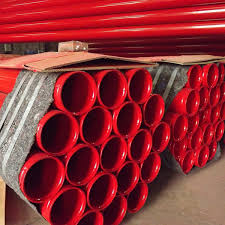
Is Fire Sprinkler Pipe the Backbone of Automatic Fire Suppression Performance?
The fire sprinkler pipe is the main distribution channel in an automatic fire suppression system, responsible for transporting water from the main supply line to sprinkler heads installed across different areas of a building. When heat from a fire reaches a critical level, sprinkler heads activate and water flows immediately through the pipe network to suppress flames.
This system is designed for instant reaction, making it one of the most reliable fire protection methods in modern architecture. The efficiency of a fire sprinkler system depends heavily on how well the piping network is designed, installed, and maintained. Even a minor issue in pipe pressure or alignment can reduce the system’s effectiveness during an emergency
Fire sprinkler pipe systems are widely used in commercial buildings, warehouses, shopping malls, hospitals, and industrial plants. Each environment requires a carefully engineered piping layout to ensure consistent water distribution and optimal coverage. Hydraulic calculations are performed during the design phase to ensure that water pressure remains stable across all sprinkler heads.
Different system types such as wet pipe systems and dry pipe systems rely on the fire sprinkler pipe network for performance. In wet pipe systems, pipes are constantly filled with pressurized water, allowing immediate discharge when a sprinkler activates. Dry pipe systems, on the other hand, use pressurized air or nitrogen inside the piping to prevent freezing and only release water when needed.
This adaptability makes fire sprinkler pipe systems suitable for a wide range of environmental conditions and building requirements, ensuring safety in both hot and cold climates.
What Materials and Engineering Standards Define Fire Sprinkler Pipe Reliability?
The performance of a fire sprinkler pipe system is directly linked to the materials used in its construction. Steel pipes are the most commonly used due to their strength, durability, and ability to withstand high pressure during fire emergencies. Among them, galvanized steel fire sprinkler pipe systems are widely preferred because of their corrosion-resistant coating, which extends the lifespan of the piping network.
Black steel pipe is another popular option in fire protection systems. It offers high mechanical strength and is suitable for large-scale installations in commercial and industrial environments. However, it typically requires protective coatings to reduce corrosion over time, especially in humid or chemically active environments.
Stainless steel fire sprinkler pipe systems are used in critical facilities where long-term durability and corrosion resistance are essential. These pipes are commonly installed in hospitals, data centers, and high-security infrastructure where system failure is not an option.
In some residential and light commercial applications, copper piping may also be used due to its ease of installation and natural corrosion resistance. However, cost considerations often limit its use in large fire protection projects.
Engineering standards play a crucial role in ensuring the reliability of fire sprinkler pipe systems. International fire safety codes define strict requirements for pipe thickness, pressure tolerance, joint strength, and installation procedures. These standards ensure that every fire sprinkler pipe network can withstand extreme conditions during a fire event without failure.
Proper installation practices are equally important in maintaining system reliability. Every section of piping must be carefully aligned, securely connected, and pressure-tested to eliminate leaks. Even a small defect in a joint or fitting can compromise the entire fire suppression system.
Maintenance is another essential factor in ensuring long-term performance. Over time, fire sprinkler pipe systems may develop issues such as internal corrosion, sediment buildup, or pressure imbalance. Regular inspections help identify these problems early and ensure that the system remains fully operational at all times.
Modern fire protection systems are also integrating smart monitoring technologies into fire sprinkler pipe networks. These systems can detect leaks, pressure drops, or mechanical faults in real time, improving safety and reducing the risk of system failure during emergencies.
Conclusion Importance of Fire Sprinkler Pipe in Modern Fire Safety Engineering
The fire sprinkler pipe is a fundamental component of every automatic fire suppression system, acting as the essential channel that ensures fast and efficient water distribution during fire emergencies. Its role in maintaining pressure balance, supporting sprinkler activation, and ensuring full coverage makes it indispensable in modern fire safety design.
From material selection such as galvanized steel, black steel, and stainless steel to strict compliance with international safety standards, every aspect of a fire sprinkler pipe system contributes to its reliability and performance. Proper design, installation, and maintenance ensure that these systems function effectively when they are needed most.