
Trail running combines endurance, speed, and adventure with the unpredictable conditions of natural terrain. Unlike road running, trail racing can take runners across dirt paths, rocky climbs, forest routes, steep descents, muddy sections, and uneven surfaces. Because of these changing conditions, having the right footwear can make a meaningful difference. Trail racing shoes are designed specifically for runners who want responsive performance, reliable traction, and a lightweight feel when competing or moving quickly on challenging trails.
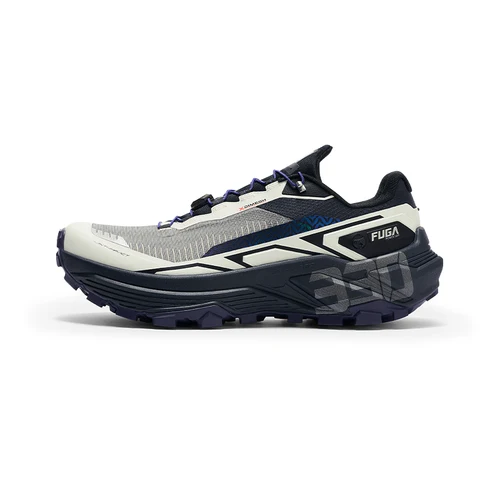
The demand for specialized trail footwear continues to grow as more runners discover mountain races, ultra trail events, cross-country courses, and off-road running. Unlike traditional running shoes, trail racing footwear is developed with outdoor terrain in mind. The combination of aggressive outsole patterns, lightweight construction, responsive cushioning, durable uppers, and supportive designs can help runners maintain a confident stride across demanding routes.
Whether you are preparing for a short trail race or a longer mountain competition, choosing the right pair of trail racing shoes requires attention to terrain, distance, comfort, grip, stability, and personal running preferences. The ideal shoe should complement your running style while providing the protection and traction necessary for the environment.
Trail Racing Shoes for Speed and Trail Performance
Trail racing shoes are designed with performance in mind. While conventional trail running shoes may prioritize durability and everyday comfort, racing models often focus on reducing unnecessary weight and creating a responsive feeling underfoot. This can be particularly useful for runners who want to maintain a faster pace over natural terrain.
Weight can play an important role during competition. Lightweight trail racing footwear can feel more agile and responsive, allowing runners to move efficiently across sections of a course. However, lightweight construction should not come at the expense of essential protection. A good trail race shoe needs to balance speed with enough durability and underfoot protection for the terrain.
Traction is another defining feature. Trail races can include loose dirt, gravel, wet rocks, roots, mud, and steep sections. A specialized outsole with strategically designed lugs can help create dependable contact with the ground. Trail racing shoes with aggressive grip can be particularly useful for technical trails where runners need confidence during climbs and descents.
The outsole also affects how the shoe behaves on different surfaces. Deep lugs may perform well in muddy or soft terrain, while a less aggressive tread can be suitable for compact dirt, hard-packed trails, and mixed surfaces. Understanding the course before choosing trail racing footwear can therefore help runners select a design that matches the conditions they are likely to encounter.
Responsiveness is equally important for competitive trail runners. A responsive midsole can provide a lively feeling during each stride while still offering cushioning for uneven ground. Some modern racing trail shoes use advanced foam technologies to deliver a combination of low weight, energy return, and comfort. These characteristics can become increasingly valuable as race distance and elevation gain increase.
Trail Racing Shoes for Different Trail Conditions
Trail racing courses can vary considerably, so there is no single design that is perfect for every event. The best trail racing shoes depend heavily on the surface, weather, elevation, distance, and technical difficulty of the course.
For dry and relatively smooth trails, runners may prefer lightweight racing shoes with moderate traction and a flexible construction. These shoes can provide a quick and natural feeling while still offering sufficient grip for dirt and gravel. A lighter design can also work well when a race includes long runnable sections where maintaining speed is important.
Technical mountain races create different demands. Rocky trails, roots, sharp turns, steep climbs, and challenging descents require footwear with a combination of grip, stability, and protection. Trail racing shoes for technical terrain may feature stronger toe protection, durable uppers, protective midsoles, and more aggressive outsole lugs.
Wet conditions can make trail racing particularly challenging. Mud and slippery surfaces require a dependable outsole that can maintain traction when the ground becomes unstable. Runners competing in wet-weather races may also consider shoes with water-resistant features, although breathability remains important for maintaining comfort during long efforts.
Long-distance events require another balance. Ultra trail racing shoes often need to provide enough cushioning and protection to remain comfortable over many hours without becoming excessively heavy. A shoe that feels excellent for a short race may not necessarily be the best option for an ultra-distance event. For longer competitions, cushioning, foot security, breathability, and overall comfort become increasingly important.
Fit should never be overlooked. Racing shoes should hold the foot securely without creating unnecessary pressure. The heel should feel stable, while the toe area should provide enough room for natural movement. During long trail races, feet can experience changes in size and comfort, making a secure but comfortable fit especially important.
Features That Make Trail Racing Shoes Stand Out
The construction of trail racing shoes combines several elements designed to support performance on natural surfaces. The outsole, midsole, upper, heel structure, and toe box all contribute to how a shoe feels during a race.
The outsole is responsible for much of the shoe's traction. Aggressive lugs can provide better grip on loose and muddy terrain, while moderate tread patterns may be more appropriate for hard-packed trails. The rubber compound can also influence durability and traction, making outsole quality an important consideration for competitive runners.
The midsole provides cushioning and responsiveness. Modern trail race shoes may use lightweight foam that attempts to balance impact protection with energy return. Runners who compete on rocky routes may appreciate additional underfoot protection, while those focused on speed may prefer a lower-profile and highly responsive design.
The upper should keep the foot secure while allowing sufficient airflow. Breathable materials can help manage heat and moisture, while durable fabrics can resist abrasion from branches, rocks, and trail debris. Some best trail racing shoes also include protective toe caps that provide an additional layer of protection on technical terrain.
Stability is another important characteristic. Trail surfaces are rarely perfectly flat, so a racing shoe should provide a dependable platform for quick changes in direction. A secure fit can help runners feel more controlled when moving through corners, descending slopes, or crossing uneven surfaces.
Durability also matters, particularly for runners who train frequently for competitions. Although racing shoes may prioritize lightweight performance, they still need to withstand the demands of outdoor running. The right combination of lightweight materials and durable construction can make a pair of trail racing shoes useful for both race day and selected training sessions.
Choosing Trail Racing Shoes for Your Running Goals
Selecting trail racing shoes should begin with understanding the type of races you expect to run. A short, fast trail race may favor lightweight footwear with a responsive ride, while a long mountain race may require more cushioning and protection. Terrain should also influence the decision, particularly when races include mud, loose gravel, wet rocks, or technical sections.
Runners should also consider their personal preferences. Some athletes prefer a minimal and flexible shoe that gives them a direct connection with the ground, while others prefer more cushioning and protection. Neither approach is automatically better for every runner. Comfort, fit, confidence, and compatibility with the course should guide the final choice.
It is also wise to become familiar with racing shoes before using them in an important event. Wearing new footwear for the first time on race day may not provide enough opportunity to understand how the shoe performs. Testing trail racing shoes during suitable training sessions can help runners become familiar with their traction, cushioning, fit, and responsiveness.
The most suitable trail racing footwear should feel secure without being restrictive and responsive without sacrificing necessary comfort. It should complement the runner rather than distract from the experience. When the shoe matches the course and running style, it can become an important part of a successful trail racing setup.
Conclusion: Trail Racing Shoes for Confident Off-Road Performance
Choosing the right trail racing shoes can have a major impact on the trail running experience. From traction and stability to cushioning, weight, protection, and fit, every feature can influence how confidently a runner handles natural terrain. The best trail racing footwear is not simply the lightest or most advanced option; it is the shoe that matches the runner's needs, race distance, terrain, and personal preferences.
For fast trail events, lightweight racing shoes can provide a responsive and agile experience. Technical mountain races may require stronger grip and additional protection, while ultra-distance competitions can benefit from comfortable cushioning and dependable foot security. Understanding these differences makes it easier to find footwear suited to specific trail conditions.