
OEM tools have become an essential part of modern industries, especially in sectors like automotive repair, manufacturing, and heavy equipment maintenance. The term OEM tools refers to Original Equipment Manufacturer tools that are specifically designed to meet the exact standards and specifications of a particular machine, vehicle, or system. These tools are either produced by the original manufacturer or by authorized companies that follow strict guidelines to ensure compatibility and performance.
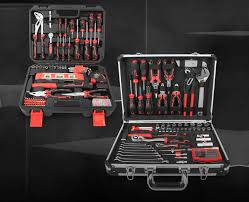
In recent years, the demand for OEM tools has increased significantly as industries continue to prioritize accuracy, efficiency, and long-term reliability. Unlike generic tools, OEM tools are engineered with precision, making them highly effective for specialized tasks. This precision is especially important in automotive diagnostics and repair, where even a minor mistake can lead to costly damage or safety issues.
Another reason for the growing popularity of OEM tools is the advancement in technology. Modern vehicles and machines are equipped with complex systems that require specialized equipment for maintenance and repair. OEM diagnostic tools, for instance, can communicate directly with onboard computer systems, providing real-time data and accurate fault detection. This level of integration makes OEM tools indispensable for professionals who need reliable and efficient solutions.
Advantages of OEM Tools in Performance and Reliability
One of the key advantages of OEM tools is their unmatched compatibility. Since these tools are designed according to the original specifications of the equipment, they fit perfectly and function seamlessly. This eliminates the risk of errors that may occur when using aftermarket tools that are not specifically designed for the same purpose.
Durability is another major factor that sets OEM tools apart. These tools are manufactured using high-quality materials and undergo rigorous testing to ensure they can withstand demanding working conditions. As a result, they tend to last longer than standard tools, making them a cost-effective investment over time. While the initial cost of OEM tools may be higher, their long lifespan and consistent performance often justify the expense.
OEM tools also contribute to improved efficiency in the workplace. Professionals can complete tasks more quickly and accurately when using tools that are specifically designed for the job. This not only enhances productivity but also reduces downtime, which is crucial in industries where time is a valuable resource. In addition, OEM tools often come with manufacturer support and warranties, providing users with added confidence and peace of mind.
Safety is another important consideration. Using the correct tool for a specific task minimizes the risk of accidents and equipment damage. OEM tools are designed with safety in mind, ensuring that they meet industry standards and perform reliably under various conditions. This makes them a preferred choice for professionals who prioritize both performance and safety in their work.
OEM Tools Compared to Aftermarket Alternatives
When deciding between oem tools and aftermarket tools, it is important to consider the differences in quality, performance, and cost. Aftermarket tools are generally more affordable and widely available, making them an attractive option for budget-conscious users. However, they may not always meet the same level of precision and reliability as OEM tools.
OEM tools are specifically designed for certain models and applications, which gives them a clear advantage in terms of accuracy and efficiency. In contrast, aftermarket tools are often designed to be more versatile, which can sometimes result in a compromise in performance. For tasks that require high precision, such as automotive diagnostics or specialized repairs, OEM tools are usually the better choice.
Another important factor is long-term value. While aftermarket tools may have a lower upfront cost, they may require more frequent replacements due to wear and tear. OEM tools, on the other hand, are built to last, reducing the need for constant replacements and maintenance. This makes them a more economical option in the long run, especially for professionals who rely heavily on their tools.
Customer support and warranty coverage also play a significant role in the decision-making process. OEM tools often come with manufacturer-backed support, ensuring that users can get assistance if any issues arise. This level of support is not always available with aftermarket tools, which can be a disadvantage for users who need reliable service and technical guidance.
Conclusion
OEM tools have established themselves as a reliable and high-quality choice for both professionals and serious DIY enthusiasts. Their precision, durability, and compatibility make them an essential part of any well-equipped toolkit. Although they may require a higher initial investment, the long-term benefits they offer in terms of performance and reliability make them a worthwhile choice.
As industries continue to evolve and technology becomes more advanced, the importance of using the right tools cannot be overstated. OEM tools provide the confidence and efficiency needed to handle complex tasks with ease. For anyone looking to achieve consistent and high-quality results, investing in OEM tools is a smart and practical decision.