
Composite decking materials have become a preferred option for homeowners and builders who want a balance of durability, style, and low maintenance. These materials are engineered using a blend of recycled wood fibers and plastic, creating a product that combines the natural appearance of timber with the strength of synthetic components. As outdoor living spaces gain importance in modern home design, the demand for long-lasting and visually appealing decking solutions continues to grow.
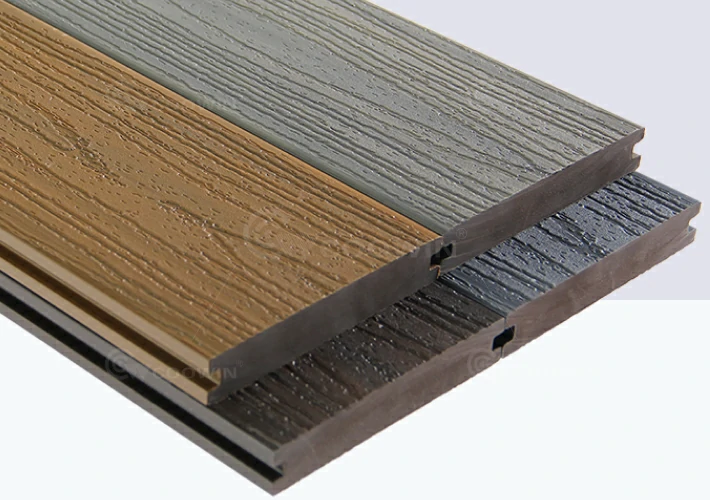
The phrase “composite decking materials” is frequently associated with terms like low maintenance decking, eco-friendly decking solutions, and weather-resistant outdoor flooring. This growing interest reflects a shift away from traditional wood toward innovative alternatives that require less upkeep while delivering superior performance. Composite decking materials are designed to resist moisture, fading, and insect damage, making them a practical choice for a wide range of environments.
Features and Performance of Composite Decking Materials
One of the most notable characteristics of composite decking materials is their exceptional durability. Unlike natural wood, which can warp, crack, or rot over time, composite boards are engineered to withstand harsh weather conditions. Whether exposed to intense sunlight, heavy rain, or fluctuating temperatures, these materials maintain their structure and appearance for years.
Another significant advantage is the minimal maintenance required. Traditional wooden decks often need regular sealing, staining, and sanding to preserve their look. In contrast, composite decking materials only require occasional cleaning with water and mild detergent. This makes them an ideal choice for homeowners who want to enjoy their outdoor space without the burden of constant upkeep.
Sustainability is also a key factor driving the popularity of composite decking materials. Many products are manufactured using recycled plastics and reclaimed wood fibers, reducing environmental impact and promoting sustainable construction practices. This eco-conscious aspect appeals to those who are looking for green building materials that align with modern environmental values.
From a design perspective, composite decking materials offer a wide variety of colors, textures, and finishes. Advanced manufacturing techniques allow these boards to closely replicate the natural grain and appearance of wood while providing enhanced durability. This versatility makes it easy to create customized outdoor spaces that reflect personal style and architectural preferences.
Cost and Installation Insights
When considering composite decking materials, cost plays an important role in decision-making. While the initial investment is typically higher than traditional wood decking, the long-term savings often make it a more economical choice. Reduced maintenance expenses, fewer repairs, and a longer lifespan contribute to overall cost efficiency. Many homeowners researching “best composite decking materials for long-term value” find that the benefits outweigh the upfront expense.
Installation of composite decking materials is generally straightforward, especially when handled by professionals. Modern systems are designed for ease of use, often featuring hidden fasteners that provide a clean and seamless finish. This not only enhances the aesthetic appeal but also improves safety by eliminating exposed hardware.
Proper installation is essential to ensure optimal performance. Adequate spacing, proper ventilation, and a solid support structure are necessary to prevent issues such as moisture buildup or structural instability. Following manufacturer guidelines or working with experienced installers can help achieve the best results and extend the life of the deck.
Composite decking materials are also known for their resistance to fading and staining. This means that even after prolonged exposure to the elements, the deck retains its original color and finish. For homeowners who prioritize both beauty and convenience, this feature adds significant value.
Modern Design Trends and Practical Uses
Composite decking materials are widely used in both residential and commercial applications. In homes, they are commonly installed in backyards, patios, balconies, and poolside areas. Their durability and slip-resistant properties make them suitable for high-traffic zones and family-friendly environments.
In commercial settings such as restaurants, hotels, and public parks, composite decking materials provide a reliable solution that can handle constant use without frequent maintenance. Their ability to maintain appearance under heavy foot traffic makes them a practical choice for business owners seeking long-lasting outdoor flooring.
Contemporary design trends often focus on creating seamless transitions between indoor and outdoor spaces. Composite decking materials play a key role in achieving this look, offering a cohesive extension of the home’s interior design. Features such as integrated lighting, built-in seating, and decorative railings can be easily incorporated, enhancing both functionality and visual appeal.
Color trends have evolved to include neutral and sophisticated tones such as gray, brown, and charcoal. These shades complement a wide range of architectural styles and contribute to a modern outdoor aesthetic. Textured finishes that mimic natural wood grain further enhance the appeal, making composite decking materials a stylish alternative to traditional options.
Conclusion
Composite decking materials have redefined outdoor construction by offering a combination of durability, low maintenance, and aesthetic versatility. Their resistance to weather, moisture, and wear makes them a reliable choice for both residential and commercial spaces. While the initial cost may be higher than traditional wood, the long-term benefits and reduced maintenance requirements make them a smart investment.
With their eco-friendly composition, wide range of design options, and strong performance, composite decking materials continue to gain popularity among homeowners and builders. For those looking to create a beautiful, functional, and long-lasting outdoor space, these materials provide a modern solution that meets the demands of today’s lifestyle.