
Composite decking materials have transformed the way outdoor spaces are designed and maintained, offering a modern alternative to traditional wood decking. These materials are typically created by combining recycled wood fibers with plastic polymers, resulting in a strong and resilient product that delivers both performance and visual appeal. This unique blend allows composite decking materials to mimic the natural texture and appearance of wood while significantly improving durability and resistance to environmental damage.
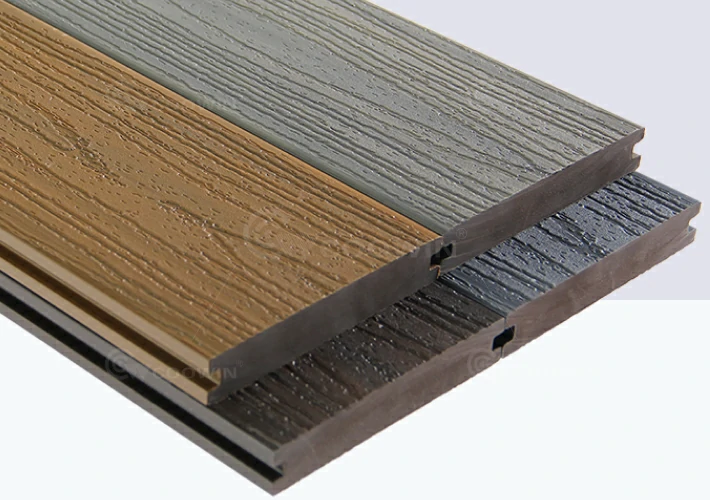
The structure of composite decking materials is engineered to provide long-lasting strength. Unlike natural timber, which can be affected by moisture, insects, and decay, composite boards are designed to resist these common issues. This makes them an excellent choice for homeowners who want a reliable outdoor flooring solution that maintains its quality over time. In addition, many manufacturers incorporate advanced technologies to enhance the protective outer layer of the boards, ensuring better resistance to fading, staining, and scratching.
Another important aspect of composite decking materials is their eco-friendly nature. By utilizing recycled components, these materials contribute to reducing waste and promoting sustainable construction practices. This makes them highly appealing to environmentally conscious consumers who want to minimize their impact on the planet while still achieving a stylish outdoor design. As sustainability continues to influence purchasing decisions, composite decking materials stand out as a responsible and forward-thinking option.
Benefits and Performance of Composite Decking Materials
One of the primary reasons homeowners choose composite decking materials is their exceptional durability. These materials are specifically designed to withstand a wide range of weather conditions, including intense sunlight, heavy rainfall, and temperature fluctuations. Unlike traditional wood, which can warp, crack, or splinter, composite decking materials maintain their structure and appearance even after years of exposure. This long-term performance makes them a reliable investment for outdoor spaces.
Low maintenance is another major advantage associated with composite decking materials. Traditional wooden decks often require regular staining, sealing, or painting to preserve their appearance and prevent damage. In contrast, composite decking materials only need occasional cleaning to remove dirt and debris. This simplicity not only saves time but also reduces the overall cost of maintenance throughout the lifespan of the deck.
Aesthetic versatility is also a defining feature of composite decking materials. They are available in a wide variety of colors, textures, and finishes, allowing homeowners to achieve the look they desire. Whether aiming for a natural wood appearance or a more contemporary design, composite decking materials provide the flexibility to match different architectural styles. The consistent color and finish further enhance the visual appeal, creating a polished and cohesive outdoor environment.
Safety and comfort are equally important considerations when selecting decking solutions, and composite decking materials perform well in both areas. Many products are designed with slip-resistant surfaces, making them safer to use in wet conditions. Additionally, the absence of splinters ensures a more comfortable experience for families, particularly those with children or pets. These qualities make composite decking materials a practical and user-friendly option for everyday outdoor living.
Design Possibilities and Installation of Composite Decking Materials
Composite decking materials offer remarkable design flexibility, enabling homeowners to create customized outdoor spaces that suit their preferences and lifestyle. Whether designing a compact patio or a large multi-level deck, these materials can be adapted to various layouts and configurations. This adaptability allows for creative design elements, including built-in seating, decorative railings, and integrated lighting, enhancing both functionality and visual appeal.
The installation process for composite decking materials has become more efficient with the development of advanced systems. Many products feature hidden fastening mechanisms that create a smooth and seamless surface without visible screws or nails. This not only improves the overall appearance but also adds to the durability of the deck by reducing potential weak points. Professional installation ensures that the decking is properly aligned and secured, maximizing its lifespan and performance.
Composite decking materials also integrate well with other outdoor design elements, such as metal, glass, and stone. This compatibility allows homeowners to create a cohesive and modern outdoor space that reflects their personal style. The versatility of these materials makes them suitable for a wide range of applications, from residential backyards to commercial outdoor areas.
While the initial cost of composite decking materials may be higher compared to traditional wood, the long-term benefits often outweigh the upfront investment. The reduced need for maintenance, repairs, and replacements results in significant cost savings over time. This makes composite decking materials a cost-effective solution for those seeking durability, convenience, and aesthetic value in their outdoor projects.
Conclusion
Composite decking materials have become a leading choice for modern outdoor construction due to their durability, low maintenance, and design versatility. By combining the natural appearance of wood with the strength of engineered materials, they offer a practical and stylish solution for enhancing outdoor spaces. Their resistance to weather, minimal upkeep requirements, and eco-friendly composition make them an attractive option for homeowners and designers alike. As outdoor living continues to grow in importance, investing in composite decking materials ensures a long-lasting, visually appealing, and sustainable solution that adds value and comfort to any property.