
Composite decking materials have emerged as a leading option for homeowners seeking durable, low-maintenance, and aesthetically appealing outdoor spaces. Unlike traditional wooden decks, these materials combine recycled wood fibers with plastic polymers, creating boards that are resistant to weather, insects, and fading. As outdoor living continues to grow in popularity, understanding the benefits, durability, and design potential of composite decking materials is essential for making a smart investment in your property.
Can Composite Decking Materials Enhance Outdoor Spaces?
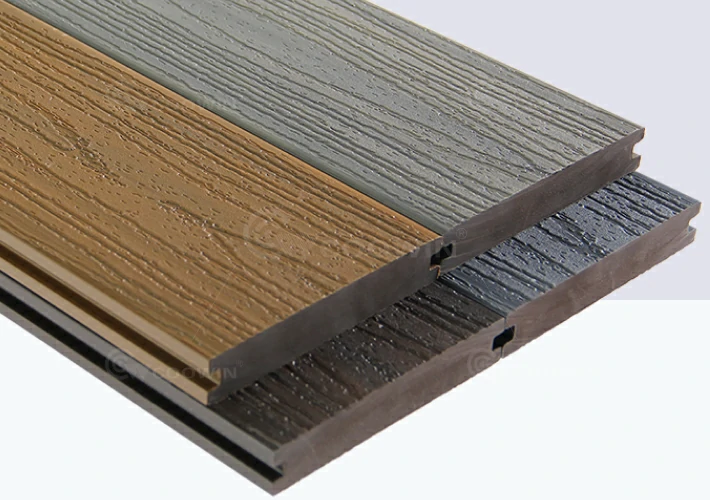
The appeal of composite decking materials goes beyond simple durability. They offer a wide range of colors, textures, and finishes that replicate the natural beauty of wood while providing the advantages of synthetic components. Homeowners can choose from smooth, grooved, or wood-grain finishes that complement modern patios, pool areas, and garden decks.
Performance is a key factor in the popularity of composite decking materials. These boards resist warping, cracking, and splintering, common issues associated with traditional timber decks. They are particularly suitable for regions with high humidity, heavy rainfall, or intense sunlight, maintaining their shape and color over time. The slip-resistant surfaces offered by many composite boards also make them safer for families, particularly in outdoor areas that experience moisture or near swimming pools.
Sustainability is another advantage of composite decking materials. Many products utilize recycled wood fibers and plastics, reducing the demand for new timber and minimizing environmental impact. For homeowners who prioritize eco-friendly building solutions, composite decking materials provide a responsible alternative that blends durability with green building practices.
Do Composite Decking Materials Provide Long-Term Value?
Although the initial investment in composite decking materials may be higher than traditional wood, the long-term benefits often make it a cost-effective choice. Unlike wooden decks, which require regular sealing, staining, and maintenance, composite boards retain their appearance and functionality with minimal upkeep. This translates to time, effort, and financial savings over the lifespan of the deck.
The durability of composite decking materials ensures resistance to insects, rot, and mildew. These protective features reduce the likelihood of repairs and replacements, enhancing the overall value of your outdoor space. Additionally, the uniformity of composite boards simplifies installation and allows for creative deck layouts, from multi-level platforms to curved or patterned designs. This adaptability ensures homeowners can achieve both functional and visually striking outdoor areas.
Another factor contributing to long-term value is the ability of composite decking materials to withstand environmental stresses. Unlike wood, which can warp or splinter under extreme weather, composite materials remain stable, providing a consistently safe and attractive surface for years. This durability appeals to homeowners seeking a long-term, low-maintenance solution that enhances property value.
Can Composite Decking Materials Transform Home Aesthetics?
Composite decking materials not only provide practical benefits but also dramatically elevate the look of outdoor living spaces. The wide variety of finishes and colors allows homeowners to match their decks with existing home designs, landscaping, and outdoor furnishings. This flexibility makes composite boards an excellent choice for both contemporary and traditional aesthetics.
Architects and designers often specify composite decking materials in modern construction due to their combination of style, durability, and low maintenance. The natural wood-like appearance, coupled with consistent quality, creates visually appealing outdoor environments without the high upkeep of traditional wood. The ability to maintain a polished and sophisticated look year-round makes composite decking materials ideal for social gatherings, relaxing family time, and hosting outdoor events.
By investing in composite decking materials, homeowners can create inviting, functional, and sustainable outdoor spaces that enhance both lifestyle and property value. Their combination of long-lasting performance, environmental responsibility, and design flexibility positions them as a preferred option for discerning homeowners.
Conclusion: Are Composite Decking Materials Worth the Investment?
Composite decking materials represent a practical, stylish, and eco-friendly solution for anyone looking to enhance outdoor living spaces. Their resistance to weather, pests, and fading, combined with minimal maintenance requirements and design versatility, ensures that they offer both functional and aesthetic advantages.
Investing in composite decking materials allows homeowners to enjoy durable, attractive, and safe outdoor areas while reducing long-term maintenance costs. For those seeking a sustainable and high-performing alternative to traditional wood, composite decking materials are not just a choice—they are a long-term investment in beauty, durability, and home value.