
anti-vibration rubber mounts rubber mounts are engineered rubber parts used to reduce mechanical vibration, impact, and sound produced by industrial systems, motors, and mechanical devices. They work by isolating moving parts from the structure they are attached to, preventing vibrations from spreading and causing wear, sound disturbance, or system imbalance.
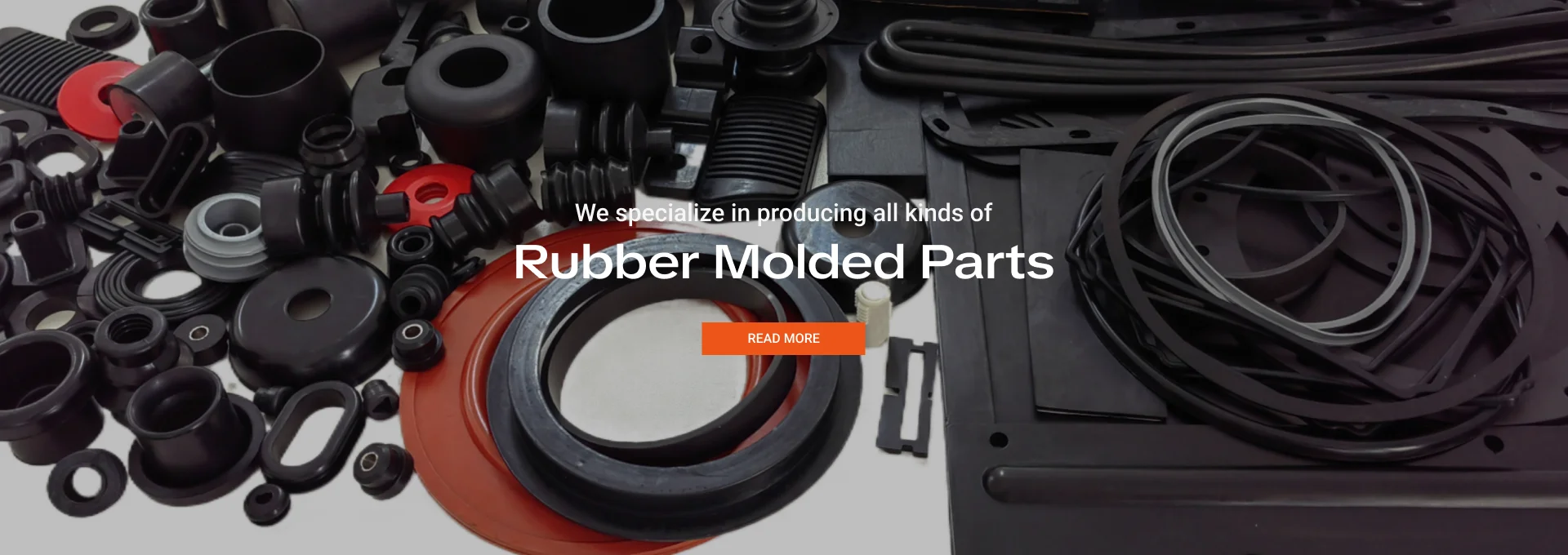
These mounts are typically made by combining durable rubber materials with metal parts. The rubber element absorbs and dampens vibrations, while the metal parts provide structural support and stable mounting. This combination allows the mount to handle heavy loads while still maintaining flexibility and shock absorption performance.
The main purpose of anti-vibration rubber mounts is to improve operational stability. When engines or machines operate, they naturally produce vibration. If not controlled, these vibrations can travel through the frame, causing noise, wear and tear, and long-term structural damage. Rubber mounts act as a isolation layer between the machine and its base, reducing this energy transfer and keeping the system balanced and low-noise.
Another important function is equipment protection. Continuous vibration can loosen bolts, damage sensitive components, and reduce the lifespan of machinery. Anti-vibration mounts help absorb this movement, protecting both the machine and surrounding structures. This makes them essential in industrial machines, power units, air systems, and mechanical drives.
These mounts are also widely used for sound dampening. Vibration often turns into sound when transferred through metal structures. By isolating vibration at the source, rubber mounts significantly reduce operational noise. This is especially important in environments where low-noise performance is required, such as buildings, vehicles, and indoor machinery systems.
Anti-vibration rubber mounts come in different shapes and designs depending on their application. Common types include round dampers, tapered mounts, and rubber isolation pads. Each design is engineered for specific weight limits and damping performance. Some mounts are designed for heavy machinery, while others are used in lighter systems like HVAC units or electronic devices.
The material used in these mounts plays a key role in their performance. Natural rubber and synthetic rubbers such as neoprene or nitrile are commonly used. These materials provide different levels of elasticity, strength, and resistance to heat, oil, and weather conditions. This allows the mounts to perform effectively in both indoor and outdoor environments.
Another advantage of anti-vibration rubber mounts is their ability to improve machine lifespan. By reducing constant vibration stress, they help prevent early failure of mechanical parts. This leads to lower maintenance costs and more efficient operation over time.
They are also used in a wide range of industries, including vehicle systems, factory machinery, air conditioning systems, energy generators, and transport systems. In vehicles, for example, they help reduce engine vibration and improve driving comfort. In industrial settings, they help maintain smooth and stable operation of heavy equipment.
Installation of these mounts is usually simple, as they are designed to be fitted between the machine and its base or mounting surface. Once installed, they immediately start absorbing vibration and improving system stability. However, proper selection based on weight and operating conditions is important to ensure effective performance.
Overall, anti-vibration rubber mounts are essential components in modern engineering because they provide vibration control, noise reduction, and equipment protection. Their combination of flexibility, strength, and durability makes them a reliable solution for improving performance and extending the life of machinery across many industries.