
A hot dip galvanized pipes system is one of the most widely used and reliable piping solutions in modern construction, industrial engineering, and infrastructure development. These pipes are made from steel and coated with a protective layer of zinc through the hot-dip galvanization process. This coating significantly enhances corrosion resistance, making the pipes durable and suitable for long-term use in harsh environmental conditions.
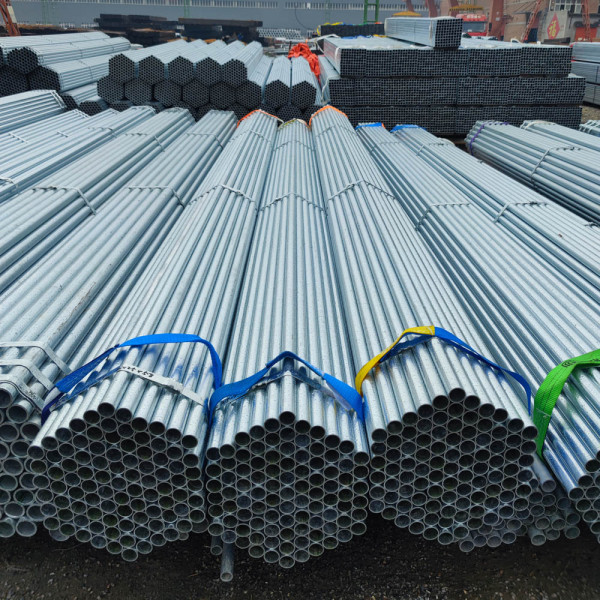
In today’s rapidly expanding construction and industrial sectors, hot dip galvanized pipes are considered essential due to their strength, longevity, and cost-effectiveness. A professional hot dip galvanized pipes manufacturer produces pipes that are used in water distribution systems, structural frameworks, fencing systems, scaffolding, and agricultural irrigation networks. Their ability to withstand moisture, pressure, and temperature variations makes them highly reliable in demanding applications.
The manufacturing process involves cleaning the steel pipes thoroughly before immersing them in molten zinc at high temperatures. This process creates a metallurgical bond between steel and zinc, forming a protective layer that prevents rust and oxidation. As a result, hot dip galvanized pipes offer a significantly longer service life compared to untreated steel pipes.
These pipes are widely used in infrastructure projects such as bridges, highways, residential buildings, industrial plants, and public utilities. Their durability ensures structural stability and reduces long-term maintenance costs, making them a preferred choice for engineers and contractors worldwide.
Hot Dip Galvanized Steel Pipes Applications, Market Demand, and Industrial Expansion
The global demand for hot dip galvanized pipes continues to grow due to rapid urbanization, industrial development, and infrastructure modernization. These pipes are used across multiple industries where corrosion resistance and durability are essential for performance and safety.
In construction projects, hot dip galvanized pipes are widely used for structural support systems, roofing frameworks, and external installations. Their resistance to rust and weather conditions makes them ideal for outdoor applications where exposure to rain, humidity, and temperature changes is constant. They are commonly used in commercial buildings, industrial facilities, and residential structures.
In water supply systems, these pipes play a crucial role in transporting clean water across residential, commercial, and industrial networks. Their zinc coating prevents contamination caused by corrosion, ensuring safe and hygienic water distribution. They are also used in drainage and sewage systems where long-term durability is required.
Agricultural applications also heavily depend on hot dip galvanized pipes for irrigation systems, greenhouse structures, and water distribution networks. These pipes ensure efficient water flow and reliable performance in outdoor environments. Their ability to withstand soil conditions and weather variations makes them ideal for agricultural infrastructure.
Industrial sectors such as manufacturing, oil and gas, chemical processing, and energy production also rely on hot dip galvanized steel pipes. These pipes are used to transport fluids, gases, and other materials in environments where corrosion resistance and structural strength are critical. Their reliability ensures uninterrupted industrial operations and reduces maintenance costs.
The global market for hot dip galvanized pipes is expanding rapidly due to increasing infrastructure projects and industrial development. Urban growth, smart city initiatives, and large-scale construction activities are driving demand for high-quality piping systems. This has encouraged manufacturers to adopt advanced production technologies and improve product quality.
International trade also plays a significant role in the growth of the hot dip galvanized pipe industry. Many countries import these pipes to support infrastructure development and industrial expansion. This global demand has increased competition among manufacturers, leading to innovation and improved production standards.
Manufacturing Process, Quality Standards, and Technological Advancements in Hot Dip Galvanized Pipes
A modern hot dip galvanized pipes manufacturer uses advanced technology and precise engineering processes to ensure high-quality production. The process begins with steel pipe preparation, where the surface is cleaned to remove impurities such as oil, rust, and dirt. The pipes are then immersed in molten zinc, creating a strong protective coating that bonds with the steel surface.
This hot-dip galvanization process provides excellent resistance against corrosion, moisture, and environmental damage. The zinc layer acts as a protective barrier that significantly extends the lifespan of the pipes, making them suitable for long-term use in demanding conditions.
Quality assurance is a critical part of hot dip galvanized pipe manufacturing. Each pipe undergoes strict testing procedures to ensure compliance with international standards such as ASTM and ISO. These tests evaluate coating thickness, pressure resistance, mechanical strength, and surface quality. This ensures that the pipes deliver consistent performance in real-world applications.
A professional hot dip galvanized pipes manufacturer also offers customized solutions based on specific project requirements. Pipes can be produced in different sizes, thicknesses, and specifications to meet the needs of various industries. This flexibility allows them to be used in a wide range of applications, from small plumbing systems to large infrastructure projects.
Technological advancements have significantly improved the efficiency and accuracy of hot dip galvanized pipe production. Automated systems, digital monitoring, and precision coating technologies ensure consistent quality and reduce production errors. These innovations help manufacturers meet increasing global demand while maintaining high standards of performance and safety.
Sustainability has also become an important focus in the industry. Many manufacturers are adopting eco-friendly production methods that reduce energy consumption and minimize environmental impact. Recycling steel materials and optimizing galvanization processes contribute to more sustainable manufacturing practices.
Conclusion: Hot Dip Galvanized Pipes Importance in Global Infrastructure and Industrial Growth
The role of hot dip galvanized pipes is essential in supporting modern infrastructure, industrial systems, and construction projects across the world. Their superior corrosion resistance, durability, and long service life make them one of the most reliable piping solutions available today.
As global demand continues to increase, advancements in manufacturing technology and quality standards are further strengthening the industry. Hot dip galvanized pipes will continue to play a key role in water systems, construction projects, agriculture, and industrial applications.