
Foot switches have become a vital component in both industrial and consumer applications, providing hands-free control over electrical devices. These switches allow users to operate machinery, tools, or equipment by simply pressing a pedal, freeing up hands for precision work. The functionality of foot switches ranges from simple on/off control to complex multi-function operations, making them indispensable in manufacturing, medical, and creative environments where efficiency and safety are paramount.
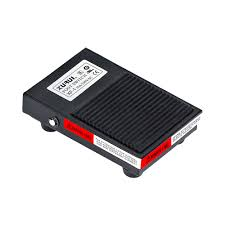
Can Foot Switches Improve Efficiency and Safety in Operations?
The key advantage of foot switches lies in their ability to enhance operational efficiency while maintaining safety. By shifting control from hands to feet, operators can manage multiple tasks simultaneously, improving workflow in production lines, assembly processes, and workshop environments. For example, in sewing or metalworking, foot switches enable continuous operation of machinery while allowing the operator to handle materials with both hands, resulting in greater productivity.
Safety is another crucial benefit of using foot switches. These devices often feature robust, anti-slip pedals and durable enclosures designed to prevent accidental activation. In medical settings, foot switches allow surgeons and healthcare professionals to operate equipment like surgical tools, dental drills, or imaging devices without compromising sterile conditions. By minimizing hand contact, foot switches reduce the risk of contamination while ensuring precise control over critical procedures.
Furthermore, many foot switches include adjustable sensitivity or multiple pedals, offering operators customizable control over speed, force, and operational modes. This flexibility enhances user comfort and reduces fatigue, especially during long shifts or repetitive tasks, which is essential for maintaining consistent performance in professional environments.
Can Foot Switches Support Advanced Industrial and Automation Systems?
Foot switches are not limited to basic on/off functions; they play a significant role in advanced industrial and automated systems. In CNC machines, robotics, and assembly lines, foot switches act as remote control interfaces, triggering complex sequences without interrupting workflow. Their compatibility with programmable logic controllers (PLCs) allows them to integrate seamlessly into automated networks, enabling precise timing and synchronization of operations.
Industrial foot switches are engineered to withstand harsh conditions, including high vibration, dust, and moisture. This durability ensures reliable performance even in demanding manufacturing environments. Additionally, certain models come with protective covers or dual-action mechanisms to prevent accidental engagement, ensuring operational safety in high-stakes industrial applications. The adaptability of foot switches in controlling heavy machinery, conveyors, and power tools highlights their essential role in modern automation and manufacturing workflows.
Beyond industrial applications, foot switch are increasingly utilized in creative and assistive technologies. Musicians rely on foot pedals to manage audio effects or loop sequences, while individuals with physical disabilities use foot switches as accessibility devices to operate computers or communication aids hands-free. The ability to offer precise, responsive control in diverse contexts underscores the versatility of foot switches across multiple industries and daily activities.
Can Foot Switches Provide Long-Term Reliability and Ease of Use?
Reliability and ease of use are defining characteristics of quality foot switches. These devices are designed with robust mechanical and electrical components to endure millions of operational cycles without failure. High-quality foot switches often feature reinforced pedals, corrosion-resistant contacts, and smooth actuation mechanisms, ensuring consistent performance over time. This long lifespan reduces maintenance costs and minimizes downtime in both professional and personal applications.
User experience is also prioritized in modern foot switch design. Ergonomically positioned pedals and intuitive layouts make them comfortable for extended use, while visual indicators or tactile feedback enhance operational awareness. In environments where precision is critical, such as laboratories or medical facilities, the ability to operate a device accurately without visual confirmation is invaluable. The combination of durability, comfort, and intuitive design ensures that foot switches remain a reliable and practical solution for controlling a wide range of electrical devices.
Conclusion: Are Foot Switches a Vital Component for Hands-Free Control?
Foot switches represent a crucial advancement in electrical control technology. Their ability to provide hands-free operation enhances efficiency, safety, and precision in industrial, medical, and creative applications. By integrating seamlessly into automated systems, supporting complex control functions, and offering long-term reliability, foot switches serve as indispensable tools for professionals and hobbyists alike.
For engineers, operators, and users seeking efficient, safe, and versatile hands-free control solutions, foot switches are not merely convenient—they are essential for optimizing performance and ensuring consistent results in modern electrical systems.