A safety interlock switch is a critical component that plays a vital role in ensuring the safety and functionality of industrial machinery, household appliances, and other complex systems. This device is designed to prevent machinery from operating under unsafe conditions, thus protecting operators, maintenance personnel, and equipment itself. In many cases, these switches act as a safeguard, preventing accidents and ensuring that machines only operate when they are in a safe state. But why is a safety interlock switch so important? Let’s explore how these switches work and their essential role in various industries.
The Role of a Safety Interlock Switch in Modern Systems
At the heart of its design, a safety interlock switch is a device that ensures an electrical circuit cannot be completed unless certain safety conditions are met. Typically, these switches are used to control and restrict access to dangerous parts of a machine, ensuring that the machine cannot be operated while in an unsafe state. For example, safety interlocks can prevent a machine from starting if a protective door or cover is open, or if there is an emergency situation such as a system fault.
When the safety conditions are met—such as the door closing or the fault being resolved—the interlock switch will enable the machine or system to operate normally. This type of safety mechanism is essential for reducing the risk of injury, damage to equipment, or unintended accidents.
How Safety Interlock Switches Function
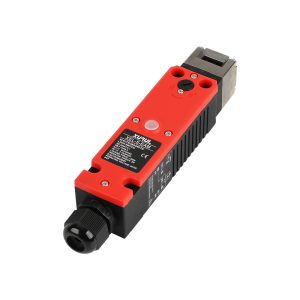
Safety interlock switches are mechanical devices that control the flow of electricity to a system. They are designed to either open or close an electrical circuit when a specific condition is met. Most safety interlocks use a key, lever, or similar actuator that is engaged only when the system is in a safe condition, such as when a door is fully closed or a protective barrier is in place.
When the switch is activated by the actuator, it typically prevents the machine from running until all conditions are confirmed. This helps to ensure that machinery can’t be started up unless the proper precautions are in place. For instance, in industrial settings, the interlock switch may be tied to safety barriers, locks, or emergency stops, so the machine is disabled until everything is in the correct position.
Types of Safety Interlock Switches
There are various types of safety interlock switches, each designed for specific applications and safety needs. These include:
Mechanical Safety Interlock Switches: These switches use a mechanical system, often involving a key or lever that physically blocks the machine's operation unless specific conditions are met.
Electrical Safety Interlock Switches: These switches monitor the electrical circuitry to detect unsafe conditions, such as power surges or faults. If an unsafe condition is detected, the switch cuts off power to the machine or system.
Magnetic Safety Interlock Switches: These switches use magnetic fields to detect the position of a device or safety guard. They are commonly used in environments where mechanical interlocks might be prone to wear or environmental challenges.
Each type has its advantages, depending on the system’s complexity, the level of risk involved, and the operating environment.
Industries Relying on Safety Interlock Switches
Safety interlock switches are used in various industries, playing a key role in maintaining workplace safety and minimizing the risk of accidents. These switches are especially important in environments that involve heavy machinery, complex automation, or hazardous materials. Some of the industries where safety interlocks are commonly found include:
Manufacturing and Automation
In factories and automated production lines, safety interlock switches are essential for protecting workers from machines and conveyors that could cause serious injuries. They ensure that equipment cannot be operated unless safety guards or doors are in place, preventing dangerous machine movements during maintenance or troubleshooting.
Food Processing and Packaging
In food manufacturing, where hygiene and worker safety are critical, safety interlocks are used to prevent contamination or accidents. For example, interlocks can ensure that packaging machines only operate when clean and secure, reducing the risk of injury or contamination.
Medical Equipment
In the medical industry, where equipment must operate under strict safety conditions, safety interlocks are often employed to prevent equipment malfunction during use. Medical imaging machines, surgical robots, and sterilization equipment all rely on
Safety Interlock Switch to prevent system operation unless all conditions are safely met.
Automotive Industry
In automotive manufacturing, assembly lines rely heavily on automated systems and machinery. Safety interlocks are used to protect workers from dangerous machinery and ensure that robotic arms or other automated systems are not engaged unless safety protocols are followed.
Consumer Electronics
Some consumer electronics, such as washing machines, microwaves, and dishwashers, are also equipped with safety interlocks. These devices prevent the machine from starting if the door is open or improperly secured, ensuring that the appliance operates safely.
The Advantages of Safety Interlock Switches
Safety interlock switches offer several critical benefits to industries and organizations looking to enhance their safety protocols and reduce risks.
Enhanced Worker Safety
One of the most significant benefits of safety interlocks is their role in protecting workers. By preventing machinery from running when hazardous conditions are present, these switches help to reduce the likelihood of workplace accidents, such as burns, cuts, or electrical shocks.
Prevent Equipment Damage
In addition to protecting workers, safety interlock switches also prevent the operation of machinery when it is not in a safe state. This can help to avoid expensive repairs or equipment failure, as many interlocks are designed to protect against overheating, short circuits, or other faults that could damage sensitive components.
Compliance with Safety Regulations
In many industries, safety interlock switches are required by law to meet certain safety standards. Ensuring that your machinery is equipped with these devices helps to guarantee compliance with regulatory agencies, such as OSHA (Occupational Safety and Health Administration) in the United States or CE (Conformité Européenne) standards in Europe.
Improved Operational Efficiency
When safety interlocks are used correctly, they can contribute to a more efficient operation by preventing downtime caused by accidents or faulty machinery. With fewer accidents and breakdowns, overall productivity increases, benefiting the business in both the short and long term.
Choosing the Right Safety Interlock Switch
When selecting a safety interlock switch for a specific application, it's essential to consider several factors. These include the type of machinery, the level of risk involved, and the environment in which the switch will be used. It’s crucial to select a switch that meets both safety standards and the specific requirements of the system it’s designed to protect.
Additionally, considering factors like durability, ease of installation, and compatibility with existing systems will help ensure that the switch performs effectively and lasts for an extended period.
Conclusion
Safety interlock switches are a vital part of modern machinery and equipment, providing an essential safeguard against accidents, equipment damage, and operational disruptions. Whether in industrial machinery, home appliances, or medical devices, these switches ensure that equipment can only operate when it is safe to do so, protecting both the operators and the equipment.
As safety standards continue to evolve, the importance of these switches will only grow. By carefully choosing the right type of safety interlock switch and maintaining them properly, organizations can ensure a safer and more efficient work environment. Understanding the critical role of safety interlock switches is not only beneficial for workplace safety but also for achieving greater operational reliability and compliance with industry regulations.

The the next time I just read a weblog, I really hope so it doesnt disappoint me around this place. What i’m saying is, It was my method to read, but I just thought youd have some thing interesting to say. All I hear can be a number of whining about something that you could fix when you werent too busy interested in attention.
castrocvv
I have to show some appreciation to the writer for bailing me out of this particular difficulty. As a result of looking out throughout the the web and finding basics which were not beneficial, I believed my entire life was done. Being alive without the approaches to the issues you’ve resolved as a result of your main guide is a serious case, as well as the kind which could have adversely damaged my entire career if I hadn’t encountered your web page. Your primary mastery and kindness in dealing with a lot of things was invaluable. I am not sure what I would’ve done if I had not encountered such a point like this. I can at this time relish my future. Thanks a lot very much for this impressive and result oriented help. I will not be reluctant to refer your site to any person who should receive recommendations on this issue.
bigfat shop
I really appreciate this post. I have been looking all over for this! Thank goodness I found it on Bing. You have made my day! Thank you again! findsome ru
Normally I do not learn article on blogs, however I wish to say that this write-up very compelled me to take a look at and do it! Your writing style has been amazed me. Thank you, very great post. pepecards
Hello there! I know this is somewhat off topic but I was wondering which blog platform are you using for this site? I’m getting tired of WordPress because I’ve had problems with hackers and I’m looking at options for another platform. I would be fantastic if you could point me in the direction of a good platform.
hulk-vault cc shop
It is a really amazing powerful resource that you’re offering and you just provide it away cost-free!! I really like discovering websites of which are aware of the particular property value providing you with beautiful learning resource for zero cost. We truly dearly loved examining this page. Be thankful!
bendersearch
Appreciation for the great blog post. I am glad I have taken the time to learn this.
zela shop
Hey dude. what kind of wordpress theme are you using? i want it to use on my blog too “
zela shop
hello, i came in to learn about this topic, thanks alot. will put this site into my bookmarks.
PatrickStash